Service Academies are known for pushing students to their limits, both academically and physically. Schools like the United States Air Force Academy in Colorado Springs and the United States Naval Academy in Annapolis, Maryland are among the most competitive in the country, and earning an appointment requires far more than good grades. Students must demonstrate leadership, athletic ability, discipline, and a strong mindset before they even arrive on campus.
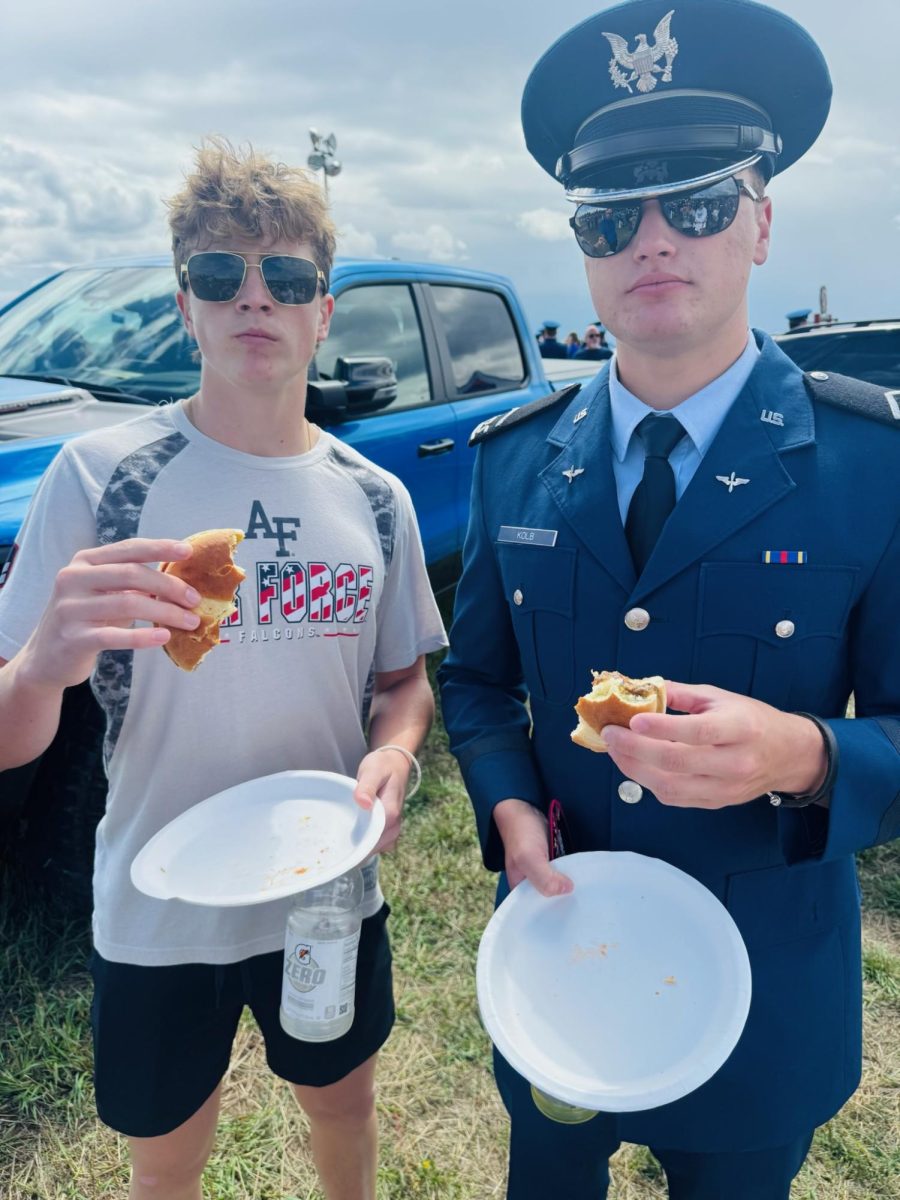
Recent graduates Marshall Kolb (Class of 2024, Midway High), and Kolton Kanemoto (Class of 2025, Los Banos High) are currently attending service academies and shared insight into what life is really like inside these prestigious institutions.
According to Kolb, standing out as an applicant is essential. He explained that being an “all around person” made the biggest difference for him. “They don’t want someone who only does one thing well,” Kolb said. In addition to strong academics, he participated in multiple sports and leadership programs that helped develop officer qualities. Kolb emphasized that students should avoid blending in and instead find ways to separate themselves from other applicants, noting that “you have to give them a reason to remember you.”
Once accepted, the adjustment to academy life can be challenging. Both Kolb and Kanemoto agreed that the environment is demanding mentally and physically. Kanemotot noted that while the academies provide many resources and support systems, success ultimately depends on mindset and self-discipline. “At the end of the day, it’s on you to stay motivated,” Kanemoto said. Staying positive, even after long and exhausting days, is critical.
The balance between academics, training, and personal life is another major challenge. Marshall shared that work life balance at the academies is not great, but it is intentionally designed that way. “They push you constantly because that’s how you grow,” Kolb explained. The heavy academic workload combined with constant military training pushes cadets to improve daily. Kanemoto added that while free time is limited, it is still possible to maintain a social life if time is managed efficiently. “You just have to be smart with the little free time you get,” he said.
Academically, service academies offer top level education. Marshall is majoring in Aeronautical Engineering and praised the quality of instructors at the Air Force Academy. “The professors genuinely care about you succeeding,” Kolb said. He plans to become a pilot, which requires a long-term service commitment. Kanemoto is considering majors such as History, Operations Research, or Political Science and also hopes to pursue aviation in the future, saying that “the opportunities here open a lot of doors.”
Despite the challenges, both cadets agree that the experience is worth it. In their limited free time, they make an effort to enjoy hobbies, spend time with friends, and recharge when possible. Most importantly, they believe the academies set students up for life by building strong character, lifelong connections, and guaranteed career opportunities after graduation when they serve through the military branch they graduated from. “It’s tough, but it prepares you for whatever comes next,” Kanemoto said.
For students considering a service academy, the message is clear: the journey is demanding and requires dedication, but for those willing to commit, the rewards extend far beyond the four years spent on campus.